
Why Boston is 'Bean Town': The True History of Baked Beans
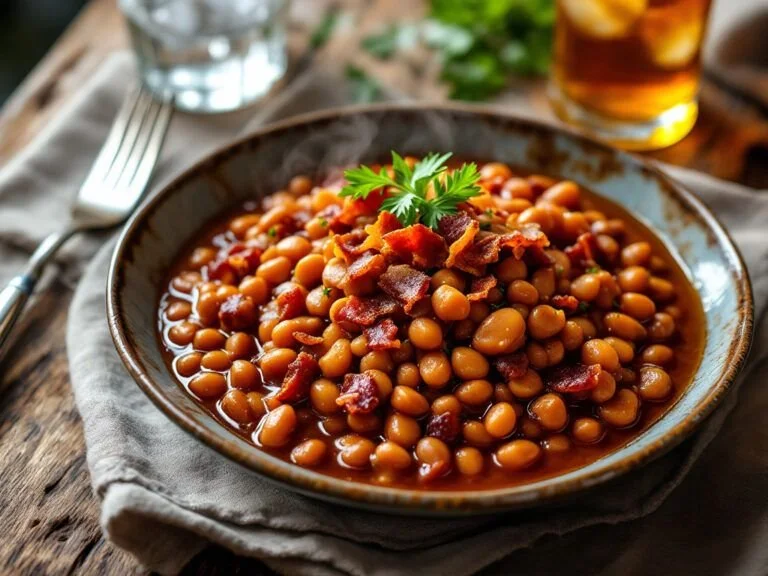
The Molasses-Sweetened Staple of Boston Restaurants
The city of Boston has many venerable nicknames: "The Hub of the Universe," "The Cradle of Liberty," and "The Athens of America." But the most enduring—and delicious—is "Beantown." This moniker is inextricably tied to a single, humble dish: Boston Baked Beans.
While the dish itself is simple—navy beans slow-cooked with salt pork and molasses—its history is a fascinating blend of Colonial ingenuity, Puritan tradition, and global trade that shaped the identity of the city. Today, traditional baked beans remain a powerful legacy for many modern Boston restaurants.
The Puritan Connection
The earliest origins of the dish date back to Native American cooking, where tribes in the region combined beans, maple sugar, and fat in earthenware pots to be baked slowly in the earth. The Puritan settlers of the Massachusetts Bay Colony quickly adopted and adapted this technique.
Crucially, the Puritans observed the Sabbath strictly, meaning no labor, including cooking, was allowed on Sunday. The genius of baked beans was that a large pot could be prepared on Saturday, placed in a brick oven, and left to cook slowly overnight. The residual heat from the oven kept the beans warm and ready for a hot, hearty meal after church on Sunday, making it the ultimate staple in early New England.
The Defining Ingredient: Molasses and the Boston Restaurants Legacy
The ingredient that truly distinguishes the Boston version from all others is molasses.
While early recipes used maple syrup, the 18th century saw a massive shift due to Boston’s central role in the triangular trade. Molasses, the sticky, dark byproduct of sugar production in the Caribbean, was shipped to New England to be distilled into rum. This plentiful, cheap, and distinctive sweetener quickly replaced maple syrup in the bean pot, giving Boston Baked Beans their signature dark color, deep sweetness, and savory-sweet contrast to the salt pork.
The dish became a ubiquitous local favorite, and by the late 19th and early 20th centuries, as the city gained national attention through events and sports (like the original baseball team, the "Boston Beaneaters"), the nickname "Beantown" was cemented.
Today, while you won't find the dish on every modern menu, the spirit of tradition and the focus on high-quality, long-simmered comfort food remain a vital component of the culinary landscape, proving why the history of food is so important to the modern experience at Boston restaurants.