
Behind the Concept: The Art of Curating a Global Menu
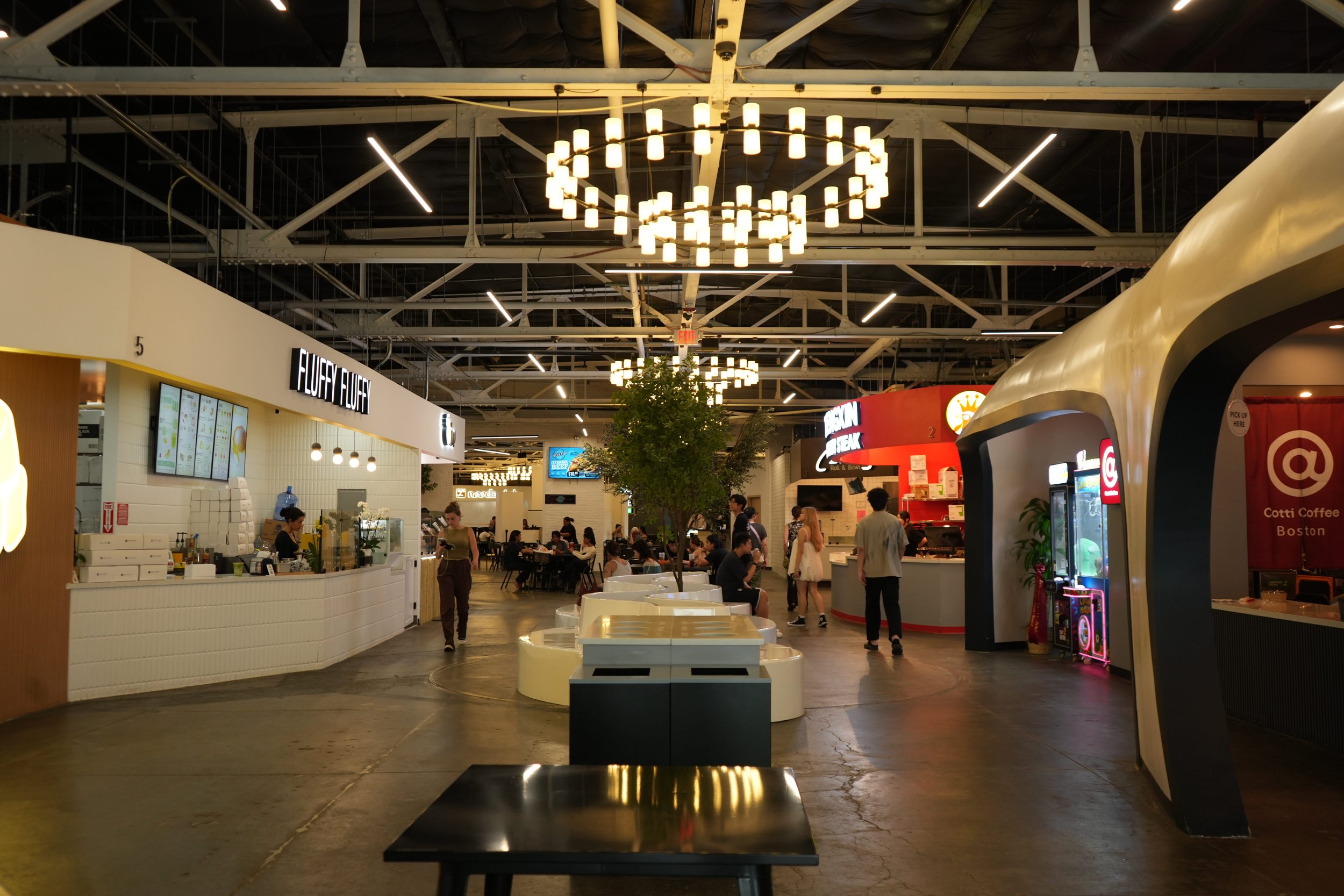
The Architecture of Choice
When you walk into a multi-concept marketplace, it looks effortless. You see people carrying iced teas and specialty brews, sharing bowls of hand-rolled sushi, trading bites of crispy street-style chicken, and finishing with delicate, cloud-like pastries.
To the diner, it’s simply a fun place to eat. But behind the scenes, creating a cohesive culinary ecosystem is a careful exercise in design. How do you bring distinct global flavors together so they complement rather than compete with one another?
The Harmony of Contrast
A great global marketplace doesn't just collect random restaurants; it builds a narrative through food. If every stall served heavy, deep-fried comfort food, or if every menu leaned entirely raw and fresh, the experience would fall flat.
Instead, curation relies on "balance points":
The Anchors of Comfort: Every neighborhood food destination needs elements of soul-warming familiarity—dishes that ground the space, evoke home cooking, and offer immediate satisfaction.
The Bright and Fresh: To keep the palate alert, you need contrast. Crisp textures, sharp acidity, and clean, aromatic profiles cut through the richness and invite you to keep exploring.
The Craft Beverage Ritual: Whether it’s an expertly pulled espresso or an aromatic, fruit-forward tea infusion, the beverage program acts as the social anchor of the room—something you hold while talking, walking, or settling in.
Blurring the Lines Between Cultures
One of the most exciting shifts in modern dining is how fluid global boundaries have become. Diners no longer want rigid, formal borders between cuisines. They want a place where traditional techniques meet modern creativity—where a craving for artisanal comfort can sit right next to a desire for precise, contemporary street food.
When independent vendors with completely different culinary backgrounds share a roof, something interesting happens. The space stops being just a collection of separate businesses and starts taking on a distinct personality of its own. It reflects the neighborhood it lives in: diverse, evolving, and deeply connected.
More Than a Menu
Ultimately, curating a global marketplace isn't just about matching flavors on a spreadsheet. It’s about creating an atmosphere where choice feels liberating rather than overwhelming.
It’s about designing a room where you can sample across cultures, share plates with people who want entirely different things, and discover that the best meals are the ones that take you somewhere new without ever requiring a boarding pass.